Choosing the Best OWCP Doctor for Your Claim in Kettering
You’re sitting in another sterile waiting room, watching the clock tick past your scheduled appointment time. Again. The receptionist won’t make eye contact, the forms you filled out three weeks ago seem to have vanished into thin air, and you’re starting to wonder if this doctor even remembers your name – let alone the details of your workers’ compensation claim.
Sound familiar?
If you’re dealing with an OWCP (Office of Workers’ Compensation Programs) claim in Kettering, you’ve probably discovered what thousands of federal employees learn the hard way: not all doctors are created equal when it comes to workers’ comp. Some get it. They understand the paperwork maze, they know how to document your injuries properly, and – this is huge – they actually seem to care about getting you back to full health.
Others? Well… let’s just say they treat OWCP patients like they’re speaking a foreign language.
Here’s the thing that nobody tells you upfront: your choice of doctor can literally make or break your claim. I’ve seen cases where excellent physicians helped workers get the treatment they needed and return to work stronger than before. I’ve also watched good people get stuck in bureaucratic limbo for months (sometimes years) because their doctor didn’t understand the system.
It’s not necessarily the doctor’s fault – medical school doesn’t exactly include “Federal Workers’ Compensation 101” in the curriculum. But when you’re dealing with a back injury that keeps you awake at night, or a repetitive stress injury that’s making simple tasks feel impossible, you need someone in your corner who knows how to navigate this particular maze.
That’s where things get tricky in Kettering. You’ve got plenty of healthcare options – from big hospital systems to smaller practices – but finding the ones that really understand OWCP claims? That’s like finding a parking spot at the mall during the holidays. Possible, but you need to know where to look.
The stakes are higher than you might realize. Choose the right doctor, and they’ll help you document everything properly, coordinate with your case manager, and give you the best shot at a successful claim. Choose wrong, and you might find yourself explaining gaps in treatment, dealing with denied claims, or – worst case scenario – settling for less care than you actually need.
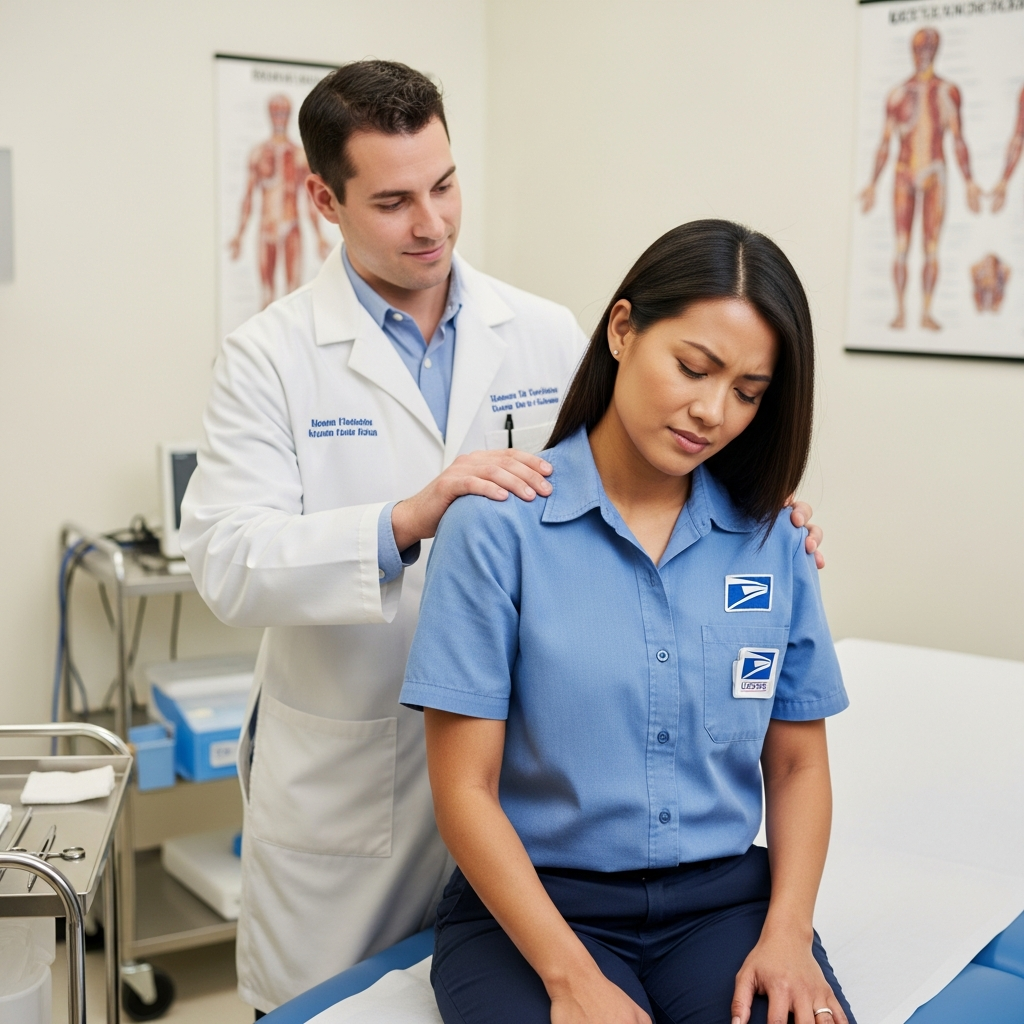
I remember talking to Sarah (not her real name), a postal worker who’d hurt her shoulder on the job. Her first doctor was perfectly nice – great bedside manner, lovely office, even validated parking. But when it came to the OWCP paperwork? He was lost. Forms came back incomplete, follow-up reports were vague, and after three months of back-and-forth with the claims office, Sarah was ready to give up entirely.
Then a colleague recommended an orthopedist who actually specialized in workers’ compensation cases. Within two weeks, her claim was approved and she was finally getting the physical therapy she needed. Same injury, same insurance, completely different outcome – all because of the doctor she chose.
That’s the power of finding the right fit.
But here’s what makes this even more complicated: you’re not just looking for medical expertise (though that’s obviously crucial). You need someone who understands the federal system specifically, knows how to communicate with OWCP case workers, and won’t make you feel like you’re asking for charity when you need proper documentation.
You’re also dealing with practical stuff that nobody warns you about. Which doctors in Kettering actually accept OWCP patients? Who has reasonable wait times? Where can you park without taking out a second mortgage? These details matter when you’re already stressed about your health and your paycheck.
Look, choosing an OWCP doctor shouldn’t feel like solving a puzzle while blindfolded. But right now, that’s exactly what it feels like for most people. The good news? You don’t have to figure this out through trial and error.
In the next few minutes, we’re going to walk through everything you need to know about finding the right OWCP doctor in Kettering. We’ll cover what questions to ask, which red flags to avoid, and how to set yourself up for the best possible outcome. Because honestly? You’ve got enough to worry about without wondering whether your doctor knows what they’re doing.
Ready to take control of your claim? Let’s get started.
What OWCP Actually Means (And Why It Matters)
The Office of Workers’ Compensation Programs – or OWCP if you’re into alphabet soup – is basically the federal government’s way of taking care of its employees when work goes sideways. Think of it like a protective umbrella, except this umbrella comes with a lot more paperwork and specific rules about who can hold it for you.
Here’s the thing that trips people up: OWCP isn’t just regular workers’ comp. It’s a whole different beast with its own set of doctors, forms, and – honestly – headaches. If you’re a federal employee who got hurt on the job, you can’t just waltz into any doctor’s office and expect Uncle Sam to pick up the tab. Nope, you need an OWCP-approved physician.
The Doctor Approval Dance
So what makes a doctor “OWCP-approved”? Well, they’ve basically raised their hand and said, “Yes, I understand the federal bureaucracy maze, and I’m willing to navigate it.” These doctors have gone through the process of getting on OWCP’s provider list, which means they understand the specific forms (oh, the forms…), the timelines, and the particular way OWCP likes things documented.
It’s kind of like the difference between a regular mechanic and one who’s certified to work on your specific car brand. Sure, they’re both mechanics, but one knows exactly which parts to order and how to talk to the warranty department without pulling their hair out.
Why Your Choice of Doctor Actually Changes Everything
Here’s where it gets interesting – and maybe a little frustrating. Your choice of OWCP doctor doesn’t just affect your medical care; it can literally make or break your entire claim. Think about it this way: your doctor becomes your translator, speaking both “medical” and “federal bureaucracy” fluently.
A doctor who really gets the OWCP system will document things in a way that strengthens your case. They’ll use the right terminology, provide the specific details OWCP wants to see, and submit everything on time. It’s like having a tour guide who actually knows where they’re going versus one who’s just winging it with a crumpled map.
The Kettering Advantage (And Challenge)
Living in Kettering puts you in an interesting spot. You’ve got access to some really solid healthcare options – Wright State Physicians, Kettering Health Network, plus all those specialists scattered throughout the area. But here’s the catch: not all of them play the OWCP game.
Some doctors take one look at OWCP paperwork and basically say, “Thanks, but no thanks.” Can you blame them? The administrative burden is… well, it’s a lot. Others might be willing but inexperienced, which can lead to delays, incomplete documentation, or worse – denied claims that should have been approved.
The Paperwork Reality Check
Let’s be honest about something: OWCP loves paperwork almost as much as cats love ignoring you when you’re trying to work. Every interaction, every treatment, every sneeze (okay, maybe not sneezes) needs to be documented in a very specific way.
Your doctor needs to understand forms like CA-20 (for medical reports), CA-17 (duty status reports), and the ever-popular narrative medical reports that can make or break your case. It’s not just about being a good doctor – though that’s obviously important – it’s about being fluent in federal-ese.
What “Authorized Treatment” Really Means
This is where things get a bit counterintuitive. Even if you find the perfect OWCP doctor, you can’t always just start treatment whenever you want. Most treatment beyond initial emergency care needs to be authorized first. Your doctor has to request permission, OWCP has to approve it, and then – maybe – you can proceed.
It’s like needing a permission slip for everything, except the teacher (OWCP) takes their sweet time deciding whether field trips are educationally valuable. Meanwhile, you’re sitting there wondering why getting your back fixed requires more approval than launching a space mission.
The Specialist Shuffle
And if you need a specialist? That’s another layer of complexity entirely. Your primary OWCP doctor might need to refer you, that referral needs approval, and the specialist also needs to be OWCP-approved. It’s like a medical version of telephone tag, except everyone’s speaking slightly different languages and using different phone systems.
This is why choosing the right doctor from the start matters so much – they become your advocate, your navigator, and sometimes your translator in this whole process.
Research Your Doctor’s OWCP Track Record (This Actually Matters)
Here’s something most people don’t think to ask – and it’s huge. When you call a doctor’s office, don’t just ask if they accept OWCP patients. Ask how many they see regularly. There’s a world of difference between a doctor who treats one federal worker every few months and one who sees them weekly.
You want someone who knows the paperwork inside and out. Trust me, the forms are… well, let’s just say they weren’t designed by people who actually fill them out. A doctor experienced with OWCP will know exactly what language triggers approvals versus what gets your claim stuck in bureaucratic limbo for months.
The Magic Words to Listen For During Your Consultation
Pay attention to how potential doctors talk about your injury. If they immediately start discussing “work-relatedness” and ask detailed questions about your job duties, that’s a green flag. They get it.
Red flag? When a doctor seems surprised that you need specific language in your reports or acts like OWCP documentation is just regular medical records with different letterhead. It’s not. The difference between “patient reports pain” and “objective findings consistent with work-related injury” can literally make or break your claim.
Location Strategy (It’s Not What You Think)
Everyone assumes you should pick the closest doctor. Actually… not necessarily. Yes, convenience matters when you’re dealing with an injury, but here’s the thing – OWCP doctors in Kettering who are slightly off the beaten path often have more availability and can spend more time with you.
That said, factor in your energy levels. If you’re dealing with chronic pain or limited mobility, that extra 15-minute drive might feel impossible on bad days. Know yourself and plan accordingly.
The Phone Call Test That Reveals Everything
Before booking, call the office and mention you’re an OWCP patient. Listen carefully to the response. Does the staff know what that means? Do they immediately transfer you to someone who handles federal workers’ comp? Or do you hear confusion and multiple transfers?
The best practices have designated staff who understand federal timelines. They’ll know that certain reports need to be submitted within specific windows, and they won’t make you explain OWCP procedures every time you call.
Questions That Separate the Pros From the Pretenders
When you meet with potential doctors, ask these specific questions
“How do you typically phrase work-relatedness in your reports?” Good doctors will give you concrete examples, not vague promises.
“What’s your typical timeline for getting reports to OWCP?” You want someone who understands urgency – not someone who treats it like routine paperwork that sits on their desk for weeks.
“Have you worked with claims that were initially denied?” This tells you if they understand the appeals process and know how to strengthen documentation.
The Specialist Referral Network Reality Check
Here’s something nobody tells you – your OWCP doctor’s referral network matters enormously. If they regularly work with orthopedic surgeons, pain management specialists, or physical therapists who also understand federal workers’ comp, your entire treatment experience becomes smoother.
Ask about their referral partners. Do they typically refer OWCP patients to specific specialists? That’s actually a good sign – it means they’ve built relationships with providers who understand the system.
Documentation Style Matters More Than You Think
Some doctors are naturally detailed writers. Others… aren’t. For OWCP purposes, you need someone who documents everything. I mean everything. When they examine you, they should be noting specific findings, limitations, and connecting those dots back to your work injury.
During your consultation, ask to see a sample (redacted) OWCP report they’ve written. Seriously. Most good OWCP doctors are proud of their documentation skills and won’t hesitate to show you their work.
The Follow-Up Factor
Finally, consider how the practice handles ongoing care. OWCP claims often require regular updates, progress reports, and long-term monitoring. You want a doctor who sees this as part of their job, not an annoying administrative burden.
Ask about their process for follow-up reports and ongoing documentation. The best OWCP doctors in Kettering have systems in place – they know when reports are due, they track your progress systematically, and they understand that your case might need attention for months or even years.
Remember, choosing the right doctor isn’t just about medical expertise – though that’s obviously crucial. It’s about finding someone who truly understands the federal workers’ compensation system and can navigate it effectively on your behalf.
When Your First Choice Doctor Says “Thanks, But No Thanks”
Here’s something nobody warns you about – not every doctor wants to deal with OWCP cases. You’ll call what looks like the perfect practice, explain your situation, and get that polite but firm “we don’t handle workers’ compensation claims.”
It stings, especially when you’re already dealing with an injury and the stress of paperwork. Some doctors avoid OWCP because of the extra documentation requirements or payment delays. Others just… don’t want the hassle.
The fix? Start with the OWCP provider directory, but don’t stop there. When you call, ask upfront: “Do you accept OWCP patients, and what’s your typical timeline for appointments?” This saves everyone’s time and your emotional energy.
The Documentation Dance (And Why It Matters More Than You Think)
You know that moment when you realize you’ve been seeing a doctor for months, but they’ve been treating your back pain without properly connecting it to your workplace injury? Yeah, that’s a problem that can torpedo your claim faster than you’d imagine.
OWCP documentation isn’t just about having medical records – it’s about having the *right* medical records. Your doctor needs to explicitly link your condition to your work incident, use specific language about causation, and provide detailed functional assessments.
I’ve seen people get excellent medical care that was completely useless for their OWCP claim because the doctor wasn’t thinking about the workers’ comp angle. It’s like having a beautiful key that doesn’t fit your lock.
The solution isn’t complicated, but it requires being proactive. During your first appointment, bring a copy of your CA-1 or CA-2 form. Explain exactly how the injury happened at work. Ask your doctor to note the work-related connection in your records. Actually, ask them to say it back to you so you know they get it.
When Geography Becomes Your Enemy
Living in Kettering gives you decent options, but what happens when the specialist you need is in Columbus or Cincinnati? OWCP will cover travel expenses for approved medical care, but getting that approval… well, that’s another story.
You can’t just decide your local orthopedist isn’t good enough and drive two hours to Cleveland Clinic. OWCP needs to authorize out-of-area treatment, which means proving local options are inadequate or unavailable. This process can take weeks – time you might not feel like you have when you’re in pain.
Start local, even if it’s not your first choice. Build a relationship with an OWCP-friendly doctor in the area who can refer you to specialists when needed. That referral carries weight with OWCP that your personal preference simply doesn’t.
The Waiting Game That Tests Your Patience
Here’s what’s genuinely frustrating – OWCP operates on government time, which means everything takes longer than you want it to. Your doctor submits a treatment plan, and you wait. They request additional tests, and you wait some more.
Meanwhile, you’re dealing with pain, possibly unable to work, and wondering if anyone actually cares about getting you better. The uncertainty is almost worse than the physical symptoms sometimes.
Stay on top of your case without becoming that person who calls every day. Check your OWCP portal weekly. Keep copies of everything your doctor submits. When there’s radio silence for more than two weeks, that’s when you pick up the phone.
When Your Doctor and OWCP Don’t Speak the Same Language
This one’s tricky because both your doctor and OWCP think they’re right. Your physician recommends six weeks of physical therapy; OWCP approves three. Your doctor wants an MRI; OWCP wants you to try conservative treatment first.
You’re caught in the middle, often having to play translator between medical necessity and bureaucratic requirements. It’s exhausting, and honestly, it shouldn’t be your job – but sometimes it is.
The doctors who work well with OWCP understand this dynamic. They know how to present treatment plans in language that OWCP approves. They’re familiar with the forms, the timelines, the appeal processes. This experience is worth its weight in gold when you’re trying to get your life back on track.
Look for providers who can articulate not just what you need, but why OWCP should approve it. They’ll save you months of back-and-forth and probably preserve your sanity in the process.
Setting Realistic Timeline Expectations
Let’s be honest – finding the right OWCP doctor in Kettering isn’t going to happen overnight. I know you’re probably anxious to get started, especially if you’re dealing with pain or your claim feels stalled… but rushing this decision could actually set you back months.
Most people find their ideal provider within 2-4 weeks of starting their search. That might seem like forever when you’re hurting, but think of it this way – you’re not just looking for any doctor. You’re looking for someone who’ll advocate for you, understand the federal system, and actually help you get better. That’s worth taking time to get right.
The initial consultation itself? You’re looking at anywhere from 1-3 weeks to get in, depending on how busy the practice is. Some docs who are really good with workers’ comp cases get booked up quickly – and honestly, that’s often a good sign. It means other federal employees trust them enough to wait.
What to Expect During Your First Visit
Your first appointment is going to feel a bit different from a regular doctor’s visit. These physicians know they’re not just treating you – they’re building a case. Expect them to be thorough. Really thorough.
The appointment will probably run longer than usual. We’re talking 45 minutes to an hour, sometimes more if your case is complex. They’ll want your complete work history, a detailed account of how your injury happened, and they’ll likely ask the same questions multiple ways. Don’t take this personally – they’re making sure they understand exactly what happened and how it’s affecting you now.
You’ll probably leave with a stack of paperwork. Treatment plans, follow-up recommendations, maybe referrals to specialists… it can feel overwhelming. But this is actually good news. It means your doctor is taking your case seriously and planning ahead.
The Documentation Dance
Here’s something nobody warns you about – the paperwork never really stops. Your OWCP doctor will need to document everything, and I mean everything. Every visit, every treatment, every tiny bit of progress (or lack thereof).
This isn’t busywork, though it might feel like it sometimes. OWCP lives and breathes documentation. Your doctor knows this, which is why they’ll ask you to rate your pain levels, describe your limitations in detail, and explain how your injury affects your daily life… repeatedly.
Some patients get frustrated with this process – “I already told you this last time!” But remember, your doctor is building a paper trail that protects you. If OWCP ever questions your treatment or tries to cut off benefits, this documentation is your shield.
Managing Expectations About Progress
Let’s talk about something that’s hard to hear but important to understand – recovery timelines with workers’ comp cases often move differently than regular medical treatment.
It’s not necessarily slower (though it can be), but it’s definitely more… deliberate. Your doctor needs to balance getting you better with satisfying OWCP’s requirements. Sometimes that means additional tests you might not need in a regular setting, or more detailed treatment notes that take time to compile.
Don’t panic if your doctor seems to order more imaging or testing than you expected. They’re often being extra cautious because they know OWCP will scrutinize everything. It’s frustrating, but it’s protective.
Building a Long-Term Partnership
Here’s the thing that surprised me when I first started writing about workers’ comp – the best patient-doctor relationships in this space often last years, not months. Even after you’re “better,” you might need periodic check-ins, updated reports for OWCP, or letters for job accommodations.
This is why finding the right fit matters so much. You’re not just looking for someone to fix your immediate problem – you’re potentially building a professional relationship that could span your entire career.
The doctors who really get this will talk to you about long-term expectations from day one. They’ll explain how your case might evolve, what to watch for, and how to maintain your benefits even after you return to work. These conversations are gold… hang onto every word.
Your Next Concrete Steps
Ready to move forward? Start by calling 2-3 practices that seem like good fits. Don’t just ask about availability – ask about their experience with your type of injury and their typical timeline for OWCP cases.
Schedule your top choice within the next week if possible. While you’re waiting for that appointment, gather all your existing medical records, employment documentation, and start a simple pain journal if you haven’t already.
Most importantly? Trust the process, even when it feels slow. Good things take time, and your health – and your financial future – are definitely worth getting right.
You know, finding the right doctor for your OWCP claim doesn’t have to feel like you’re navigating a maze blindfolded. Sure, it’s a big decision – one that can genuinely impact your recovery, your claim approval, and honestly… your peace of mind. But you’ve got this.
Think about it this way: you wouldn’t choose a mechanic for your car without asking around, reading reviews, or making sure they understand your specific make and model, right? Your health deserves that same level of care and attention. Actually, it deserves more.
What Really Matters at the End of the Day
The best OWCP doctor for you isn’t necessarily the one with the fanciest office or the longest list of credentials (though those things don’t hurt). It’s the one who listens – really listens – when you describe your pain, your limitations, your concerns about returning to work. It’s someone who understands that behind every claim number is a real person trying to get their life back on track.
When you find that doctor, you’ll know. They’ll explain things in a way that makes sense, not in medical jargon that leaves you more confused than when you walked in. They’ll work with you, not just on you. And they’ll document everything thoroughly because they understand that your future depends on it.
Don’t rush this decision, but don’t let perfect be the enemy of good either. Sometimes you might need to switch doctors if the fit isn’t right – and that’s okay. Your claim allows for it, and your wellbeing is worth advocating for.
You Don’t Have to Figure This Out Alone
Here’s something we see all the time: people struggling with OWCP claims feel isolated, frustrated, and honestly… a little lost. The system can feel impersonal, the paperwork overwhelming, and the medical requirements confusing. But you’re not the first person to walk this path, and you certainly won’t be the last.
If you’re feeling stuck – whether you’re trying to choose the right doctor, understand your treatment options, or just need someone who gets what you’re going through – we’re here. We’ve helped countless federal employees navigate these waters, and we’d be honored to help you too.
Sometimes it helps just to talk through your options with someone who understands both the medical side and the bureaucratic side of OWCP claims. No pressure, no sales pitch – just real guidance from people who genuinely want to see you get the care you deserve and the outcome you need.
Ready to take the next step? Give us a call or shoot us a message. We can help you understand your options, connect you with the right providers, or simply answer those questions that have been keeping you up at night. Because everyone deserves an advocate in their corner – someone who knows the system and isn’t afraid to help you work it in your favor.
Your recovery matters. Your claim matters. And you? You definitely matter. Let’s make sure you get the support you deserve.