How DOL Doctors Support OWCP Medical Treatment in Kettering

The phone rings at 3 PM on a Tuesday, and your stomach drops. It’s your employer calling about that work injury from last month – the one where you strained your back lifting those boxes that were definitely heavier than they looked. You’ve been limping through your days, popping ibuproil like candy, and now they’re talking about something called OWCP and sending you to a “DOL doctor.”
Wait, what?
If you’re sitting there thinking, “I just want my back to stop hurting so I can sleep through the night again,” you’re not alone. The world of workers’ compensation can feel like you need a translator just to understand who’s supposed to help you get better. And honestly? That’s exactly how it’s designed to feel – confusing enough that you might just give up and tough it out.
But here’s the thing – and this might surprise you – there are actually people in this system whose entire job is making sure you get the medical care you need. Not to deny your claim (though it might feel that way sometimes), not to rush you back to work before you’re ready, but to actually… help you heal.
I’m talking about DOL doctors, and if you’re dealing with a workplace injury in Kettering, understanding how they fit into your OWCP medical treatment could be the difference between months of frustration and actually getting your life back.
You know that feeling when you’re trying to put together IKEA furniture without the instruction manual? That’s what navigating workers’ comp feels like for most people. You’ve got all these pieces – your injury, your employer, insurance adjusters, medical appointments – and you’re not entirely sure how they’re supposed to fit together. Meanwhile, you’re still hurting, still worried about missing work, still wondering if anyone actually believes that your shoulder really does feel like it’s on fire every morning.
Here’s what I’ve learned after years of helping people through this process: the system isn’t actually designed to work against you (even though it sure feels that way sometimes). But it is complex, and when you’re already dealing with pain and stress, complex can feel impossible.
That’s where DOL doctors come in. Think of them as… well, imagine if you had a medical advocate who actually understood the workers’ compensation system inside and out. Someone who speaks both “doctor” and “bureaucracy” fluently. Someone whose job isn’t just to patch you up and send you on your way, but to make sure your treatment actually aligns with what OWCP needs to see to approve your care.
And in Kettering? You’ve got options that a lot of other areas don’t have.
The truth is, not all doctors understand the OWCP system – and I don’t blame them. Most physicians went to medical school to heal people, not to decode federal regulations. But DOL doctors? They’ve made it their business to understand both. They know that your treatment plan needs to be documented in a very specific way. They understand the difference between what your regular doctor might recommend and what OWCP will actually approve and pay for.
More importantly, they get that you’re not just a claim number. You’re someone who needs to get back to your normal life – whether that’s playing with your kids without wincing, sleeping through the night without your shoulder waking you up, or just being able to focus at work without constant pain nagging at the back of your mind.
Over the next few minutes, we’re going to walk through exactly how this all works. No jargon, no bureaucratic doublespeak – just the real deal about how DOL doctors support OWCP medical treatment right here in Kettering. You’ll learn what makes these doctors different, how to find the right one for your situation, and most importantly, how to work with them to get the care you actually need.
Because here’s what I really want you to understand: you don’t have to figure this out alone. And you definitely don’t have to choose between getting proper medical care and navigating the workers’ comp system. There’s a way to do both – and it starts with understanding how the right medical team can make all the difference.
The Department of Labor’s Role – It’s More Complex Than You’d Think
So here’s the thing about the Department of Labor (DOL) and medical treatment – it’s kind of like having a really thorough, slightly overprotective parent who wants to make sure you’re getting the best care possible, but also needs to see every receipt and approval form first.
The DOL oversees the Office of Workers’ Compensation Programs (OWCP), which is basically the federal government’s way of saying “if you get hurt on the job while working for us, we’ve got your back.” But – and this is where it gets interesting – they don’t just hand you a blank check and say “go get better.” There’s a whole system in place that’s designed to ensure you get quality care while also… well, keeping an eye on costs.
Think of it like this: imagine you’re planning a wedding (stay with me here). You want the best vendors, the perfect venue, the most amazing cake. But you also have a budget, and maybe a really detail-oriented mother-in-law who wants to approve every decision. That’s kind of what the DOL is like with medical treatment – supportive but systematic.
OWCP Medical Treatment – The Framework That Actually Works
Now, OWCP medical treatment isn’t like your regular health insurance. It’s more comprehensive in some ways, more restrictive in others. When you’re injured on the job as a federal employee, OWCP steps in to cover your medical expenses… but they want to make sure those treatments are necessary, appropriate, and effective.
Here’s what’s actually pretty cool about the system: OWCP doesn’t just pay for band-aid solutions. They’re looking at the whole picture – getting you back to health, back to work if possible, and making sure you’re not stuck in a cycle of temporary fixes. It’s like having a mechanic who doesn’t just patch your tire but actually figures out why you keep getting flats in the first place.
The tricky part? OWCP has specific requirements about which doctors you can see, what treatments they’ll approve, and how the whole process needs to be documented. Some people find this frustrating (and honestly, it can be), but there’s actually a method to what might seem like bureaucratic madness.
Why DOL Doctors Make All the Difference
This is where DOL doctors – physicians who understand the OWCP system inside and out – become absolutely crucial. Regular doctors, even excellent ones, might not know the specific forms, the particular language, or the exact documentation requirements that OWCP needs. It’s like asking a brilliant chef to navigate tax law… they might figure it out eventually, but wouldn’t you rather have someone who speaks that language fluently?
DOL doctors have seen this dance before. They know that OWCP wants detailed reports, specific functional assessments, and clear treatment plans with measurable goals. They understand that saying “patient needs physical therapy” isn’t enough – OWCP wants to know what kind, for how long, with what expected outcomes, and how you’ll measure success.
The Documentation Dance – More Important Than You’d Expect
Here’s something that catches a lot of people off guard: in the OWCP world, if it’s not documented properly, it basically didn’t happen. You could have the most brilliant treatment plan in the world, but if it’s not presented in the right format with the right medical codes and the right level of detail… well, good luck getting it approved.
This isn’t the DOL being difficult for the sake of it – they’re managing thousands of cases and need a systematic way to evaluate each one. But it does mean that having a doctor who knows how to “speak OWCP” can be the difference between smooth sailing and months of back-and-forth correspondence.
The Kettering Advantage – Location Matters More Than You’d Think
Now, you might wonder why Kettering specifically matters in all this. Well, it turns out that having experienced DOL doctors in your area makes a huge difference. When you’re dealing with a work injury, the last thing you want is to drive hours for appointments or wait weeks for someone who actually understands your situation.
Kettering has developed a network of healthcare providers who’ve learned to work effectively within the OWCP system. They’ve figured out the rhythm, the requirements, and – perhaps most importantly – how to advocate for their patients while meeting DOL standards. It’s like having a translator who not only speaks both languages but actually understands the cultural nuances too.
Getting Your Treatment Pre-Authorized (Before You Need It)
Here’s something most people don’t realize – you don’t have to wait until you’re in pain to start the authorization process. Smart patients work with their DOL doctors to get certain treatments pre-approved, especially if you’ve got a chronic work injury that flares up periodically.
Your Kettering DOL doctor can submit what’s called a “prophylactic authorization request.” Think of it like… getting permission to use the emergency fund before the emergency hits. If you’ve got a back injury that requires periodic injections, or if your shoulder needs ongoing physical therapy sessions, get those authorized in advance. That way, when you’re hurting, you’re not also wrestling with paperwork.
The Magic of Detailed Documentation
Your DOL doctor is basically your translator to the OWCP world – they speak bureaucrat fluent. But here’s the thing: they need your help to tell your story effectively. Don’t just say “my back hurts.” That’s like telling someone your car is broken without mentioning it won’t start.
Instead, be specific about how your injury affects your actual life. “I can’t lift my two-year-old without sharp pain shooting down my left leg” paints a much clearer picture than “I have lower back pain.” Your Kettering DOL doctor will weave these details into medical reports that OWCP can’t easily dismiss.
Keep a simple pain and activity log on your phone. Nothing fancy – just quick notes about what you couldn’t do and when. Your doctor can reference these patterns when justifying treatment requests.
Timing Your Appointments Strategically
This might sound weird, but there’s actually a best time to schedule your DOL doctor visits. Try to book appointments early in the week (Monday through Wednesday) if possible. Here’s why: if your doctor needs to submit additional documentation or make phone calls to OWCP, they’ve got the rest of the week to handle it before offices potentially slow down on Fridays.
Also, if you’re dealing with a flare-up, don’t wait until it subsides to see your doctor. OWCP wants to see evidence of your symptoms, and it’s harder to document something that’s no longer actively bothering you.
Understanding the Treatment Timeline Dance
Your DOL doctor in Kettering knows how to play the OWCP timeline game, but you should understand it too. OWCP typically has 14 days to approve or deny routine treatment requests. But – and this is important – that clock doesn’t start ticking until they receive all required documentation.
Smart patients ask their doctor’s office to confirm when everything was submitted and get a reference number. Then you can actually call OWCP yourself (yes, you can do that) to check the status. Sometimes a gentle nudge from the patient moves things along faster than waiting for the doctor’s office to follow up.
The Second Opinion Strategy
Sometimes OWCP will request an Independent Medical Examination (IME) – basically, they want their own doctor to weigh in. Don’t panic when this happens. Your Kettering DOL doctor can actually prepare you for this appointment, and preparation makes all the difference.
Ask your doctor to provide you with a summary of your treatment history and current symptoms before the IME. Not to coach you (that’s not what we’re talking about), but so you can accurately represent your medical situation. These examining doctors see dozens of patients and often rush through appointments.
Making the Most of Specialist Referrals
When your DOL doctor refers you to a specialist – whether it’s orthopedics, pain management, or physical therapy – they’re not just passing you off. They’re strategically building your treatment team. But you need to keep that communication loop tight.
After each specialist appointment, make sure the specialist sends reports back to your DOL doctor. Don’t assume this happens automatically. Call the specialist’s office a few days after your appointment and ask them to confirm they’ve sent records to your referring physician. This creates a paper trail that strengthens future treatment requests.
The Appeal Process Isn’t the End
If OWCP denies a treatment request, your DOL doctor can file what’s called a reconsideration request. This isn’t starting over – it’s essentially saying “look again, here’s what you missed.” Often, denials happen because of missing information rather than medical necessity.
Your doctor might request additional diagnostic tests or provide more detailed explanations of why conservative treatments haven’t worked. Sometimes a simple phone call between your doctor and the OWCP medical reviewer can resolve issues that seemed impossible on paper.
The key is staying engaged in the process rather than giving up after the first “no.”
When Paperwork Feels Like Your Second Job
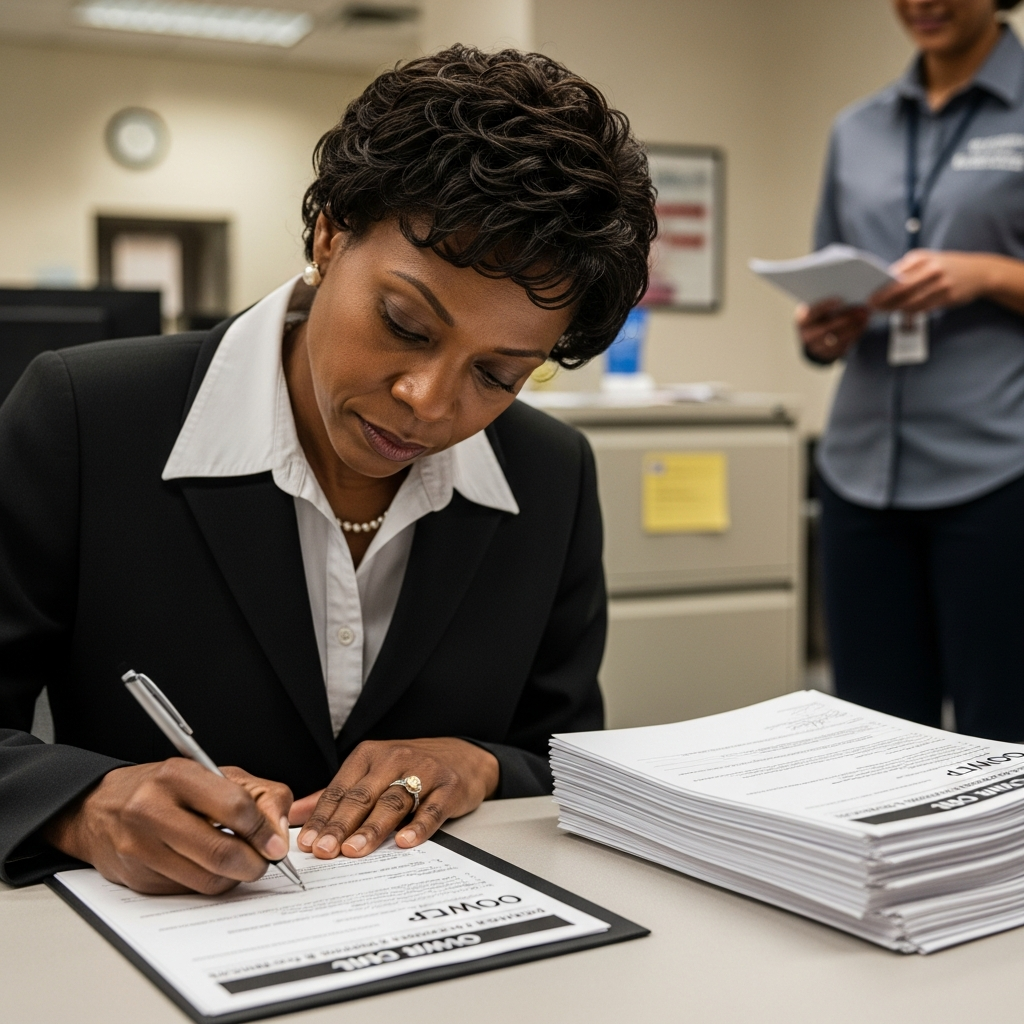
Let’s be honest – dealing with OWCP paperwork can feel like you need a PhD in bureaucracy just to get your medical bills paid. You’re already dealing with an injury or illness, and now you’ve got forms that seem designed to confuse even the smartest people.
The biggest headache? Those CA-16 and CA-17 forms. One tiny mistake – a missing signature, an incorrect date, even using the wrong pen color (yes, that’s actually a thing) – and your claim gets bounced back like a bad check. I’ve seen patients in Kettering wait weeks for treatment simply because someone wrote “back strain” instead of the more specific diagnostic code OWCP wanted to see.
Here’s what actually works: DOL doctors who know the system keep template letters and standard phrases that OWCP recognizes. They’re not trying to write poetry… they’re speaking OWCP’s language. When your doctor writes “industrial injury resulting in lumbar disc herniation with radicular symptoms,” instead of just “bad back,” it moves through the system faster. Think of it like knowing the secret handshake at an exclusive club.
The Waiting Game (And Why It Drives Everyone Crazy)
OWCP operates on what I call “government time” – which bears no resemblance to normal human time. What should take a week can stretch into months, and nobody seems to know why your case is sitting in some bureaucratic black hole.
The reality is that OWCP processes thousands of claims, and yours isn’t special to them (even though it’s everything to you). Standard processing times can be 30-60 days for straightforward cases, but if there’s any question about your injury being work-related, you’re looking at potentially months of back-and-forth.
DOL doctors help by frontloading their documentation. Instead of waiting for OWCP to ask questions, they anticipate what information will be requested and include it upfront. They know that OWCP will want to see objective evidence of your injury, clear causation to your work duties, and specific functional limitations. By addressing these elements in the initial submission, experienced doctors can often cut weeks off the approval process.
When OWCP Says “No” (And What That Really Means)
Here’s something nobody tells you – OWCP’s first response is often “no” or “we need more information.” It’s not personal, and it doesn’t mean your claim is doomed. It’s just… how the system works. Frustrating? Absolutely. But not the end of the world.
The most common reasons for initial denials aren’t actually about whether you’re injured – they’re usually about documentation gaps. Maybe the connection between your work duties and your injury isn’t clear enough, or the medical evidence doesn’t paint a complete picture of your condition.
This is where having a DOL doctor who understands the appeals process becomes crucial. They know how to strengthen a case on reconsideration, what additional tests or documentation might be needed, and how to frame your medical situation in terms OWCP will accept. Sometimes it’s as simple as getting a more detailed MRI report or adding a functional capacity evaluation.
The Pre-Authorization Maze
Want to know what really trips people up? Trying to get pre-authorization for treatments. Physical therapy, specialist consultations, diagnostic tests – they all need approval before you can receive them. And if you jump the gun and get treatment without authorization? You might be stuck with the bill.
The trick is understanding OWCP’s treatment hierarchy. They generally approve conservative treatments first – physical therapy before surgery, generic medications before brand names, local specialists before out-of-state experts. DOL doctors who work with OWCP regularly know this progression and can map out a treatment plan that follows their preferred sequence.
Sometimes you have to play the long game. That cutting-edge treatment you found online? OWCP probably won’t approve it until you’ve tried and failed with their standard protocols. It’s annoying, but fighting the system usually just delays your care.
Communication Breakdowns (They’re Not Just for Relationships)
Here’s where things get messy – when your regular doctor, your DOL doctor, OWCP, and maybe a nurse case manager all need to coordinate your care. Information gets lost, appointments get missed, and you’re left wondering who’s actually in charge of your treatment.
The solution isn’t perfect, but it’s practical: designate one person as your primary contact with OWCP. Usually, that’s your DOL doctor’s office. Make sure all communication flows through them, and keep your own records of every conversation, form, and decision.
Trust me, that folder of paperwork you’re keeping? It’ll save your sanity more than once.
Setting Realistic Expectations for Your OWCP Journey
Here’s the thing about federal workers’ comp cases – they don’t move at the speed of your typical doctor’s appointment. If you’re expecting everything to be wrapped up in a neat little bow within a few weeks, well… you might want to grab a comfortable chair and maybe a good book.
The reality? Most OWCP cases take months to fully process, sometimes even longer depending on the complexity of your injury and how much back-and-forth is needed with the Department of Labor. It’s not that anyone’s dragging their feet (okay, sometimes they are, but that’s bureaucracy for you) – it’s just that federal systems have their own rhythm.
Your DOL doctor in Kettering will typically need several weeks just to complete their comprehensive evaluation and compile their initial report. Then there’s the review process, potential requests for additional information, and the inevitable waiting periods while different departments communicate with each other. Think of it like a relay race where some runners… well, they’re not exactly sprinting.
What Happens Right After Your First Visit
Once you’ve had your examination, your doctor will get to work on the detailed report that OWCP requires. This isn’t a quick note scribbled on a prescription pad – we’re talking about a thorough documentation of your medical history, current condition, treatment recommendations, and work capacity assessment.
You might not hear anything for a few weeks, and that’s completely normal. Actually, that reminds me – this silence doesn’t mean your case has fallen into some bureaucratic black hole. Your doctor is methodically working through the extensive documentation requirements that federal cases demand.
During this time, continue following any treatment recommendations you’ve already received. Don’t stop your physical therapy or medications just because the paperwork is still processing. Your recovery doesn’t pause for paperwork – and frankly, showing consistent adherence to treatment actually strengthens your case.
Communication Throughout the Process
Your DOL doctor’s office will keep you updated on major milestones, but don’t expect daily progress reports. They’re managing multiple federal cases, each with its own timeline and requirements. However, you should feel comfortable reaching out if you have questions or if your condition changes significantly.
Most offices will give you a realistic timeline during your first visit – listen to that estimate and then add a few weeks, just to be safe. Federal processes have a way of… expanding. It’s like how a simple home improvement project always takes twice as long as you originally planned.
Preparing for Potential Roadblocks
Sometimes OWCP will request additional information or clarification. This doesn’t mean your case is in trouble – it’s actually pretty standard. Maybe they need more details about a specific treatment recommendation, or they want clarification on how your injury affects your ability to perform certain job functions.
When this happens (and notice I said “when,” not “if”), your DOL doctor will handle the response. You might need to come in for a follow-up examination or provide additional medical records from other providers. Yes, it adds time to the process, but it’s better to be thorough than to have your case delayed or denied due to incomplete information.
Your Role in the Process
While you’re waiting, there are things you can do to help your case along. Keep detailed records of how your injury affects your daily activities – not just at work, but at home too. Can’t lift your kids? Struggling to carry groceries? These details matter.
Stay consistent with your treatment. If your doctor recommends physical therapy three times a week, go three times a week. If you’re supposed to avoid heavy lifting, avoid heavy lifting. OWCP reviewers pay attention to whether you’re following medical advice, and non-compliance can hurt your case.
Looking Ahead to Resolution
Eventually – and yes, it will happen – you’ll receive OWCP’s decision on your case. If approved, your ongoing medical care will be covered according to their guidelines. If there are issues with the decision, your DOL doctor can help with appeals or additional documentation.
The waiting is honestly the hardest part. You’re dealing with pain, work limitations, and the stress of not knowing what’s going to happen with your case. But remember, having a qualified DOL doctor in your corner significantly improves your chances of a favorable outcome. They know the system, they speak the language, and they’re invested in getting you the care you need.
Just… maybe don’t plan any major life decisions around quick resolution timelines, okay?
So here’s what it really comes down to – and this is something we see every single day at our clinic. When you’re dealing with a workplace injury, you shouldn’t have to become an expert in federal regulations, insurance codes, or bureaucratic processes. That’s… well, that’s just not fair. You’ve got enough on your plate trying to heal.
The beauty of working with DOL-authorized doctors who truly understand the OWCP system? They handle all that complexity for you. Think of it like having a translator who’s fluent in both “medical speak” and “government paperwork” – except this translator also happens to be genuinely invested in getting you better. These doctors don’t just treat your injury; they advocate for you within a system that can feel pretty overwhelming when you’re trying to navigate it alone.
You’re Not Just Another Case Number
What strikes me most about the doctors we work with – the ones who really get the OWCP process – is how they see the person behind the claim. They understand that your shoulder injury isn’t just about range of motion measurements and diagnostic codes. It’s about whether you can pick up your grandkid, sleep through the night, or feel confident returning to work without fear of re-injury.
These physicians know that timely, appropriate treatment isn’t just medically important… it’s life-changing. When your treatment gets approved quickly because your doctor knows exactly how to present your case? When your follow-up appointments happen without delays because the paperwork was done right the first time? That’s when real healing can begin.
The Ripple Effects Matter
Here’s something that doesn’t get talked about enough – when your medical treatment is properly coordinated through the OWCP system, it affects everything else in your life. Your family stops worrying about medical bills piling up. You can focus on recovery instead of fighting with insurance representatives. Your employer gets clear communication about your capabilities and limitations. It’s like… well, imagine trying to recover from an injury while juggling flaming torches. Now imagine someone gently takes those torches away so you can actually rest and heal.
Finding Your Path Forward
Look, if you’re reading this because you’re dealing with a workplace injury and feeling lost in the OWCP maze, I want you to know something: you don’t have to figure this out by yourself. The right medical team – one that understands both your health needs and the unique requirements of federal workers’ compensation – can make all the difference.
Maybe you’re frustrated with treatment delays, confused about coverage, or simply want to make sure you’re getting the comprehensive care you deserve. That’s completely understandable, and honestly? It’s probably a sign that you’re ready to work with specialists who can streamline this whole process for you.
We’d love to talk with you about how we can support your recovery while handling all the OWCP complexities behind the scenes. Because at the end of the day, your energy should go toward getting better – not wrestling with paperwork. Give us a call when you’re ready. We’re here, and we genuinely want to help you move forward with confidence.