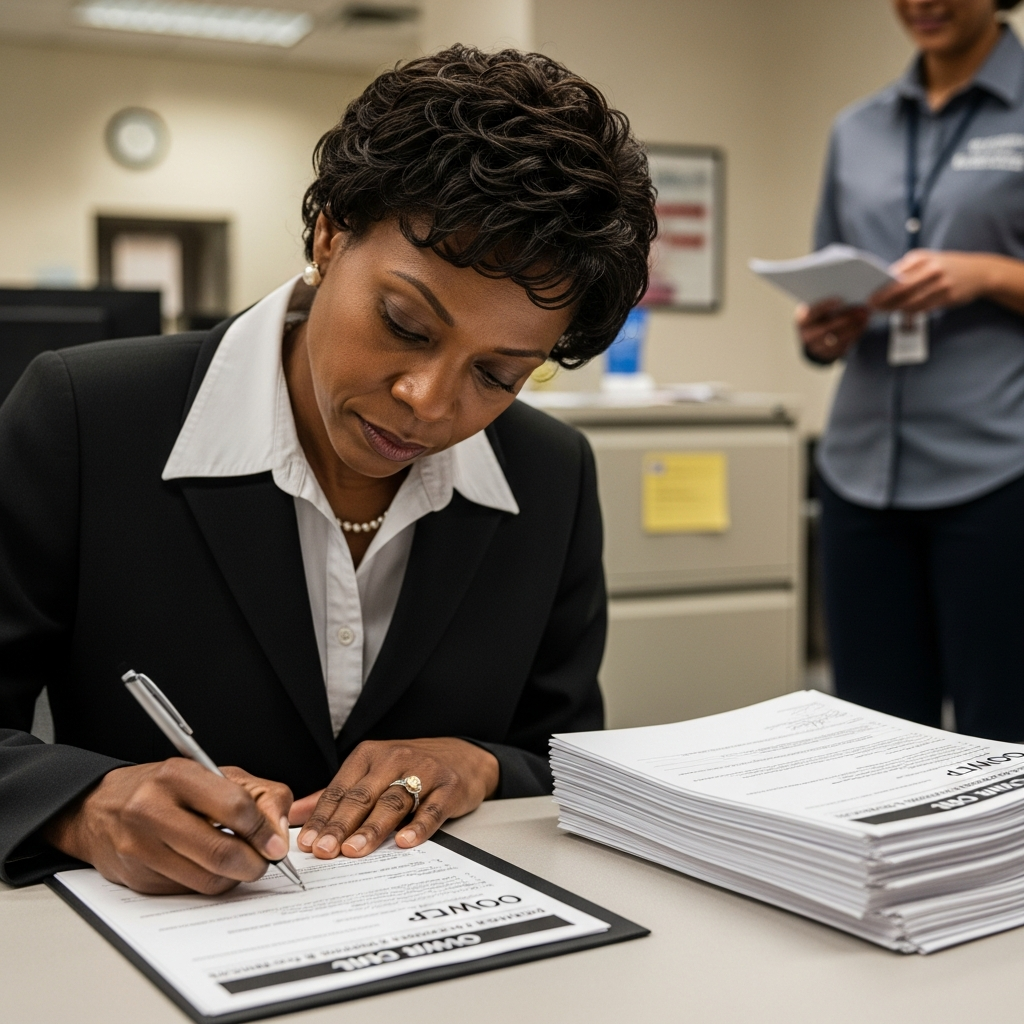
Choosing a DOL-OWCP Clinic for Injury Treatment in Centerville

The email hits your inbox at 7:43 AM, right when you’re trying to juggle your morning coffee and figure out why your shoulder’s been screaming at you for the past three days. It’s from HR – something about “required documentation for your workplace injury claim” and “approved medical providers.” Your heart sinks a little because, honestly? You just want someone to look at your shoulder and make it stop hurting.
Sound familiar?
If you’re dealing with a workplace injury in Centerville, you’ve probably discovered that getting proper medical care isn’t as straightforward as just walking into any doctor’s office. The Department of Labor’s Office of Workers’ Compensation Programs (DOL-OWCP) has specific rules about which clinics and providers can treat federal employees and workers covered under various compensation programs. And navigating this system? Well, it can feel like trying to solve a puzzle when you’re already in pain.
Here’s the thing – choosing the right DOL-OWCP clinic isn’t just about paperwork and bureaucracy (though there’s definitely some of that involved). It’s about finding a medical team that actually understands the unique challenges of workplace injuries, knows how to work within the federal system, and – perhaps most importantly – can get you back to feeling like yourself again.
I’ve seen too many people struggle through this process, bouncing between providers who either don’t accept OWCP cases or don’t really know how to handle them properly. You know what happens then? Delays in treatment, confusion about coverage, mountains of paperwork that seem to multiply overnight, and meanwhile… you’re still dealing with that pain in your shoulder. Or back. Or wherever your workplace decided to remind you that office chairs weren’t designed for human bodies.
The truth is, not all medical clinics are created equal when it comes to handling DOL-OWCP cases. Some providers have extensive experience working within the federal system – they know the forms, understand the approval processes, and can communicate effectively with claims examiners. Others? They might accept OWCP patients but treat them like any other insurance case, which can lead to complications down the road.
And let’s be honest about something else – workplace injuries often come with their own emotional baggage. Maybe you’re worried about how this affects your job security. Perhaps you’re concerned about being labeled as “that person who got hurt at work.” Or maybe you’re just frustrated that something as simple as reaching for a file cabinet has turned into this whole medical ordeal. A good DOL-OWCP clinic gets this. They understand that treating workplace injuries involves more than just addressing the physical symptoms.
Location matters too, doesn’t it? If you’re already dealing with limited mobility or pain, the last thing you want is a lengthy commute to appointments. Centerville offers several options for DOL-OWCP care, but knowing which ones offer the services you need – and actually provide quality care – can save you time, stress, and potentially weeks of delayed treatment.
In the coming sections, we’re going to walk through everything you need to know about choosing a DOL-OWCP clinic in Centerville. We’ll talk about what questions to ask (beyond “do you take OWCP?”), how to evaluate a clinic’s experience with federal cases, and what red flags to watch for. You’ll learn about the different types of services available, how to verify a provider’s credentials and authorization, and practical tips for making your first appointment as smooth as possible.
We’ll also cover some of the behind-the-scenes stuff – like how billing works with OWCP cases, what to expect during the authorization process, and how to advocate for yourself if things aren’t moving as quickly as they should. Because while the federal system can be complex, you shouldn’t have to become an expert in workers’ compensation law just to get your shoulder looked at.
Your goal is simple: find quality medical care that helps you heal while handling all the administrative requirements properly. Let’s figure out how to make that happen, shall we?
What Makes DOL-OWCP Different from Regular Healthcare
Think of DOL-OWCP like having a specialized insurance policy that kicks in when regular health insurance just… doesn’t cut it. The Department of Labor’s Office of Workers’ Compensation Programs isn’t your typical healthcare system – it’s specifically designed for federal employees who get hurt on the job.
Here’s where it gets a bit confusing (and honestly, even healthcare providers sometimes scratch their heads over this): DOL-OWCP operates under completely different rules than your standard Blue Cross or Aetna plan. It’s like comparing a specialty tool to a Swiss Army knife – both have their place, but they work very differently.
When you’re injured at work as a federal employee, you’re not just dealing with medical bills. You’re navigating a system that covers everything from your immediate treatment to potential long-term disability benefits. That’s… a lot. And it requires providers who actually understand how this whole ecosystem works.
The Authorization Dance – Why It Matters
Let me paint a picture for you. You walk into a regular clinic with a work injury, and the front desk staff looks at your DOL-OWCP paperwork like you’ve handed them instructions written in ancient Greek. They might take your information, sure, but then you’re stuck waiting weeks for authorization approvals that should take days.
DOL-OWCP authorization isn’t just about getting permission to treat you – it’s about understanding the specific forms (CA-16, CA-17, anyone?), knowing which treatments require pre-approval, and having relationships with the case workers who make these decisions. A clinic that handles this stuff regularly? They’ve got these processes down to a science.
Actually, that reminds me of something important – not every treatment requires the same level of authorization. Some things can be approved quickly, while others… well, let’s just say patience becomes a virtue. An experienced DOL-OWCP clinic knows which battles to fight and which shortcuts actually exist within the system.
Network vs. Non-Network Providers – The Plot Twist
Here’s where things get interesting (and by interesting, I mean potentially expensive for you). DOL-OWCP has preferred provider networks, kind of like how your regular insurance has in-network doctors. But – and this is a big but – the rules about what happens when you go “out of network” are completely different.
With regular insurance, you might pay higher copays or deductibles for out-of-network care. With DOL-OWCP, you might end up paying the entire bill yourself if the provider isn’t properly enrolled or doesn’t follow the right procedures. Yikes.
The thing is, even some providers who claim they “accept” DOL-OWCP don’t really understand these nuances. They might be technically able to bill the system, but they don’t know how to do it efficiently or correctly. It’s like knowing how to drive versus knowing how to navigate rush hour traffic in downtown DC – technically the same skill, but worlds apart in practice.
Documentation Requirements – More Than Just Medical Notes
Your typical doctor visit involves some notes in your chart, maybe a prescription, and you’re on your way. DOL-OWCP documentation? That’s a whole different beast. We’re talking detailed injury reports, work capacity evaluations, specific forms that need to be filed within certain timeframes…
Think of it like the difference between texting a friend and filing your taxes. Both involve writing, but the precision and format requirements are completely different. A clinic that specializes in DOL-OWCP cases doesn’t just treat your injury – they become fluent in the language that the system requires.
And here’s something that might surprise you: sometimes the medical treatment is straightforward, but the paperwork requirements actually drive your treatment plan. I know, I know – it sounds backwards. But if certain documentation isn’t filed correctly, it can delay your entire recovery process, regardless of how well you’re actually healing.
The Centerville Factor – Location Logistics
Being in Centerville gives you some unique advantages when it comes to DOL-OWCP care. You’re close enough to DC-area resources without dealing with the nightmare of downtown parking and traffic. Many federal employees live in this area precisely because it offers that sweet spot of accessibility without the urban chaos.
But proximity to federal agencies also means local clinics here tend to have more experience with government healthcare systems. It’s just the nature of the beast – when your patient population includes a lot of federal workers, you get good at navigating federal systems. Makes sense, right?
What to Ask During Your Initial Phone Call
Here’s the thing – that first phone call tells you everything you need to know about a clinic’s priorities. Don’t just ask “Do you accept DOL cases?” That’s amateur hour. Instead, try this: “How many DOL-OWCP claims do you process monthly?” A clinic handling 50+ cases will have systems in place. One that handles three? You’re basically their guinea pig.
Ask about their turnaround time for CA-17 forms. The best clinics get these to you within 24-48 hours. If they’re hemming and hawing about “maybe by next week,” keep looking. Your paychecks depend on those forms hitting DOL’s desk quickly.
And here’s a secret most people don’t know – ask if they have a dedicated DOL liaison. Not just someone who “handles workers’ comp sometimes,” but a person whose entire job revolves around federal injury claims. These folks are worth their weight in gold because they actually understand the maze you’re navigating.
Red Flags That Should Send You Running
I’ve seen too many people get burned by clinics that talk a big game but can’t deliver. If the receptionist has to put you on hold to “check with someone” about DOL procedures, that’s strike one. These processes should be second nature to them.
Watch out for clinics that immediately start pushing expensive treatments before they’ve even examined you properly. DOL doesn’t approve fishing expeditions – they want clear, medical necessity. Legitimate clinics know this… the others are just hoping to get paid before DOL figures out what’s happening.
Another massive red flag? If they can’t give you a straight answer about their pre-authorization success rate with DOL. Good clinics track this religiously because it directly impacts their patients’ treatment timelines. Vague responses like “we usually get things approved” mean they probably don’t.
The Insurance Verification Dance
This part’s crucial, and honestly, it’s where a lot of people get tripped up. Before your first appointment, make sure the clinic verifies your DOL coverage properly. They need your OWCP claim number, your employing agency, and the specific injury codes from your accepted claim.
Here’s what most people don’t realize – even within DOL-OWCP, there are different types of coverage. Some conditions are accepted, others are under investigation, and some might be denied but under appeal. A savvy clinic will know exactly which bucket your case falls into before they see you.
Pro tip: Ask them to email you a confirmation that includes your verified coverage details. This creates a paper trail and forces them to actually do their homework instead of assuming everything will work out.
Making Your Treatment Goals Crystal Clear
This isn’t the time to be shy about what you need. If your goal is getting back to work as quickly as possible, say that upfront. If you’re dealing with chronic issues that need long-term management, be honest about that too. Different clinics excel at different approaches.
Some places are fantastic at getting acute injuries resolved and getting people back on the job. Others specialize in complex, multi-year cases that require ongoing care coordination. You want to match your situation with their strengths, not hope they’ll figure it out as they go.
Document everything – and I mean everything. Keep notes about who you spoke with, what they promised, and when they said things would happen. DOL cases can drag on for months or years, and memories get fuzzy. Plus, if you need to switch clinics later, having this documentation makes the transition so much smoother.
The Follow-Up System That Actually Works
The best DOL clinics don’t just treat you and send you on your way. They have systematic follow-up processes that keep your case moving forward. Ask potential clinics about their follow-up protocols. Do they automatically check on claim status? Do they proactively reach out if they haven’t heard back from DOL within expected timeframes?
You want a clinic that treats your DOL case like the business relationship it is – because that’s exactly what it is. Your successful treatment and return to work reflects on them with DOL, so they should be as invested in positive outcomes as you are.
The reality is, navigating DOL-OWCP requirements while dealing with an injury is exhausting enough. The right clinic becomes your advocate, not just another appointment on your calendar.
The Insurance Maze That Makes Your Head Spin
Let’s be real – navigating the DOL-OWCP system feels like trying to solve a Rubik’s cube blindfolded. You’re dealing with paperwork that seems designed to confuse, claim numbers that change depending on who you talk to, and insurance representatives who… well, let’s just say they’re not always on your team.
The biggest headache? Getting your chosen clinic approved by your claims examiner. You might find the perfect facility with amazing doctors, only to discover they’re not in the DOL network or – even more frustrating – they are in the network but your specific examiner has “concerns” about them.
Here’s what actually works: call the clinic first before you get your hopes up. Ask them directly about their DOL experience and whether they’ve had any recent issues with approvals. A good clinic will be upfront about any hiccups they’ve experienced. They’ll also help you navigate the pre-authorization process, which – trust me – you don’t want to tackle alone.
When Distance Becomes Your Enemy
Sure, that top-rated orthopedic clinic two hours away looks incredible on paper. But here’s the thing nobody tells you: federal workers’ comp cases often require multiple visits, follow-ups, and sometimes emergency appointments. What seems manageable for one visit becomes a logistical nightmare when you’re driving four hours round-trip twice a week.
I’ve seen people abandon excellent treatment plans simply because the commute became unsustainable. Your back injury isn’t getting better if you’re stressed about driving, taking unpaid time off work, or spending half your day in traffic.
The solution isn’t always choosing the closest clinic, though. Look for that sweet spot – quality care within a reasonable distance. Consider clinics near your workplace if that’s more convenient than something near home. And honestly? Sometimes a 45-minute drive to the right specialist is worth more than five minutes to someone who doesn’t understand federal workers’ comp.
The Specialist Shuffle That Drives Everyone Crazy
Here’s where things get particularly maddening. You start with your primary care doctor, who refers you to a specialist, who then says you need a different specialist, who suggests you might benefit from yet another opinion. Each referral means more paperwork, more approvals, and more waiting.
The worst part? Sometimes you end up back where you started, except now you’ve lost weeks or months of potential healing time.
Smart approach: when you’re selecting your initial clinic, ask about their internal referral network. Do they have orthopedists, neurologists, pain management specialists, and physical therapists all under one roof or working closely together? This isn’t just about convenience – it’s about continuity of care and reducing those bureaucratic delays that can derail your recovery.
The Documentation Disaster Zone
Every DOL case lives or dies by its paperwork trail. Miss one form, submit something late, or have a doctor who’s… let’s say “casual” about documentation, and your whole case can stall out.
The reality is that some excellent doctors are terrible at the administrative side of workers’ comp. They might be brilliant diagnosticians but forget to include the specific language DOL wants to see, or they submit reports that are thorough but don’t address the right questions.
When you’re evaluating clinics, ask pointed questions: How do they handle DOL reporting requirements? Do they have staff dedicated to workers’ comp cases? How quickly do they typically submit required reports? You want to hear specific answers, not vague reassurances.
When Your Claim Gets Denied (Because It Happens)
Here’s the uncomfortable truth – claim denials happen, even with solid cases and good medical care. Sometimes it’s a paperwork issue, sometimes it’s a medical dispute, and sometimes… well, sometimes it feels pretty arbitrary.
The clinic you choose can make or break what happens next. You want providers who’ve been through the appeals process before, who understand how to document things for reconsideration, and who won’t disappear when things get complicated.
Ask potential clinics about their experience with denied claims. How do they handle appeals? Will they work with your attorney if you need one? Do they maintain their records in a way that supports your case long-term?
The best clinics treat your workers’ comp case like the serious matter it is – not just another appointment on their schedule, but a situation that affects your livelihood, your family’s security, and your future wellbeing.
What to Expect During Your First Visit
Walking into a new clinic can feel overwhelming, especially when you’re already dealing with pain and the stress of navigating workers’ comp. Here’s the thing – most DOL-OWCP clinics in Centerville are used to seeing patients who are frustrated, tired, and maybe a little skeptical about the whole process.
Your initial appointment will likely run longer than a typical doctor’s visit – we’re talking 45 minutes to an hour, sometimes more. The provider needs to understand not just your injury, but how it happened, what treatments you’ve already tried, and how it’s affecting your daily life and work. Yes, there will be paperwork. Probably more than you’d like.
Don’t be surprised if they can’t fix everything in one visit. I know that sounds obvious, but when you’re hurting, there’s this hope that maybe… just maybe… this will be the appointment that changes everything. Sometimes it is! More often, though, it’s the beginning of a process.
The Reality of Treatment Timelines
Let’s talk honestly about timing because – and I can’t stress this enough – healing doesn’t follow a calendar.
For minor injuries like sprains or minor muscle strains, you might see significant improvement within 2-4 weeks. But that doesn’t mean you’ll be back to lifting 50-pound boxes right away. Your body needs time to rebuild strength and confidence.
More complex injuries? Think months, not weeks. A shoulder injury might need 3-6 months of treatment. Back problems can be particularly stubborn – sometimes taking 6-12 months or longer. I know that’s not what you want to hear, especially if you’re eager to get back to work or if you’re worried about job security.
The frustrating part is that progress rarely happens in a straight line. You’ll have good days and bad days. Some weeks you’ll feel like you’re moving backward. That’s… actually pretty normal, even though it’s maddening when you’re living through it.
Navigating the Administrative Side
Here’s where things get a bit bureaucratic – and honestly, this part trips up a lot of people.
Your DOL-OWCP clinic will handle most of the insurance communication, but you’ll still need to stay on top of things. Keep copies of everything. Every report, every prescription, every piece of correspondence. Trust me on this one – you don’t want to be scrambling to find documents six months from now.
Expect some back-and-forth with the claims examiner. Sometimes treatments need prior authorization. Sometimes there are questions about whether a particular therapy is “medically necessary.” It’s not personal, even though it can feel that way when you’re the one in pain waiting for approval.
Most clinics have staff specifically trained in DOL-OWCP procedures, which is honestly a huge relief. They know which forms need to be filed when, and they understand the peculiarities of federal workers’ comp. Still, it’s good to have a basic understanding of the process yourself.
Preparing for Your Recovery Journey
Recovery isn’t just about the medical treatment – though that’s obviously crucial. You’ll probably need to make some adjustments to your daily routine, at least temporarily.
Think about your work setup if you’re doing modified duty. Can you adjust your workspace to accommodate restrictions? Do you need different equipment or tools? Your clinic might have suggestions, but you know your job better than anyone.
Don’t neglect the emotional side of recovery either. Dealing with a work injury can be isolating, especially if you’re used to being active and independent. Some people find it helpful to connect with others who’ve been through similar experiences. Others prefer to focus on small, achievable goals – like being able to sleep through the night without pain or walking to the mailbox without difficulty.
Moving Forward with Realistic Optimism
The goal isn’t to rush back to exactly where you were before the injury – it’s to get you to a place where you can function well and feel confident in your body again. Sometimes that means learning new ways to do familiar tasks. Sometimes it means accepting that you might have some limitations, but finding ways to work around them.
Your Centerville DOL-OWCP clinic should be your partner in this process, not just a place you go to get patched up. The best providers will help you understand your options, set realistic expectations, and adjust the treatment plan as needed. Because really, that’s what this is all about – getting you back to living your life, whatever that looks like for you.
You know, after walking through all the ins and outs of finding the right clinic for your work injury, it really comes down to one simple truth: you deserve care that actually works for you. Not just medically – though that’s obviously crucial – but care that fits your life, your schedule, and honestly? Your peace of mind.
The whole DOL-OWCP system can feel overwhelming at first. I get it. You’re dealing with an injury that’s already disrupted your world, and now there’s paperwork and approvals and… well, it’s a lot. But here’s what I’ve seen time and again – when you find the right clinic, everything else starts falling into place. The billing headaches disappear. Your treatment actually progresses. You start feeling heard instead of like just another case number.
Think about what matters most to you. Maybe it’s having a clinic close to home so you don’t have to navigate traffic with a bad back. Maybe it’s finding providers who’ve seen your specific type of injury hundreds of times before. Or perhaps – and this is totally valid – you just want to walk into a place that feels welcoming rather than clinical and cold.
Don’t underestimate those gut feelings either. If a clinic’s staff seems rushed during your initial call, or if their scheduling feels chaotic, trust that instinct. You’re going to be working with these people for weeks or months. That relationship matters more than you might think.
And hey, remember that you have more control here than it might initially seem. Yes, you need to work within the DOL-OWCP framework, but within those guidelines, you get to choose. You can ask questions. You can request specific types of treatment. You can even change clinics if things aren’t working out – though obviously, it’s easier to get it right the first time.
The providers who really get workers’ comp cases? They understand that your injury affects everything. Your job, your family time, your ability to do the things you love. They won’t just treat the symptom and send you on your way. They’ll work with you on a plan that actually gets you back to living your life.
Look, I know this whole process can feel isolating sometimes. You’re managing pain, dealing with insurance complexities, maybe worried about your job security… it’s natural to feel a bit overwhelmed. But you don’t have to figure this out alone.
If you’re still feeling uncertain about which direction to go, or if you have questions about what to expect from DOL-OWCP treatment, we’re here to help. No pressure, no sales pitch – just honest guidance from people who understand both the medical side and the practical realities of workers’ compensation care.
Give us a call when you’re ready. We can talk through your specific situation, help you understand your options, and maybe even ease some of those concerns that keep popping up at 2 AM. Because at the end of the day, getting the right care isn’t just about healing your injury – it’s about getting your life back on track.